Many proposal teams excel at saving the day, and that may be part of the problem.
Last-minute heroics can look impressive. The late nights, miracle rewrite, pricing scramble and final review that somehow turns into a strategy session all create the sense that the bid team “pulled it off”. In reality, rescue-mode bidding often hides a deeper issue: weak opportunity ownership.
Often it exposes gaps in the business development process. For many, it shows that the team did not qualify the opportunity properly. It likely reveals that the right people never had the time, scope or buy-in to contribute before the deadline became uncomfortable.
Sales, SMEs, executives, finance, legal and operations often do not fail because they do not care. They fail because the process did not make their roles, timing and decisions clear enough. They also juggle multiple priorities, meetings, clients, delivery issues and internal pressures. Many organisations expect people to support critical deals without giving them the space to do it well. That sets good people up to fail and leaves the proposal team to catch the pieces.
Proposal teams still need to own what sits within their control. They do this by setting expectations early, making risks visible, asking better questions and not treating unclear strategy, late inputs and vague reviews as normal. They should not carry the whole pursuit alone.
Winning businesses make opportunity ownership a shared discipline. They prioritise the right stakeholders before the pressure hits and give people the time, context and authority to contribute meaningfully. They also understand that every delayed decision creates pressure somewhere else in the process.
We can shift this by looking at stakeholder engagement in three moments.
- Before the RFP: This is where the real work starts. What customer problem are we solving? Why can we solve it better than others? What value should the client clearly see? Without this, what are we actually writing?
- During the bid, before kick-off: The bid team should confirm the process, roles, timing, decision points and risks. Stakeholders should know what they need to provide, by when, and why it matters. SMEs should not receive blank sections and hopeful calendar invites. They should receive annotated outlines and focused questions that draw out proof, differentiation and delivery evidence.
- After submission: Lessons learnt should not become a blame ritual. The team should identify what worked, what failed, where ownership broke down and, most importantly, what actions must change before the next opportunity.
When proposal teams keep rescuing the process, they rarely gain the recognition that rescue should bring. More often, they absorb the pressure, protect the deadline and quietly carry the consequences of decisions made too late.
The strongest proposal teams do not keep rescuing broken processes. They help build stronger ones where all stakeholders become co-owners of the win.
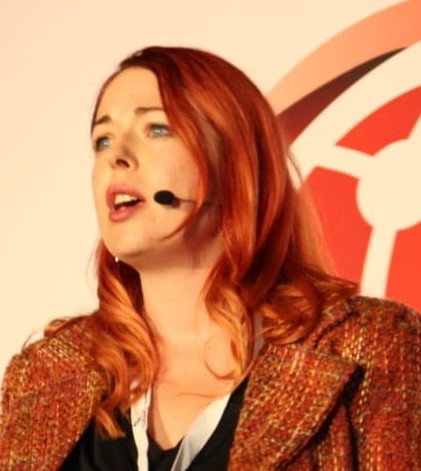
Larissa Cornelius
With over 12 years in business development and proposal consultancy, Larissa offers bid expertise across various industries. She has trained thousands of people and worked with over 260 companies on strategic bid work. She has a further seven years of operational management expertise and actively promotes the proposal profession by combining proposal best practices with her operational and sales background, helping businesses win more.